
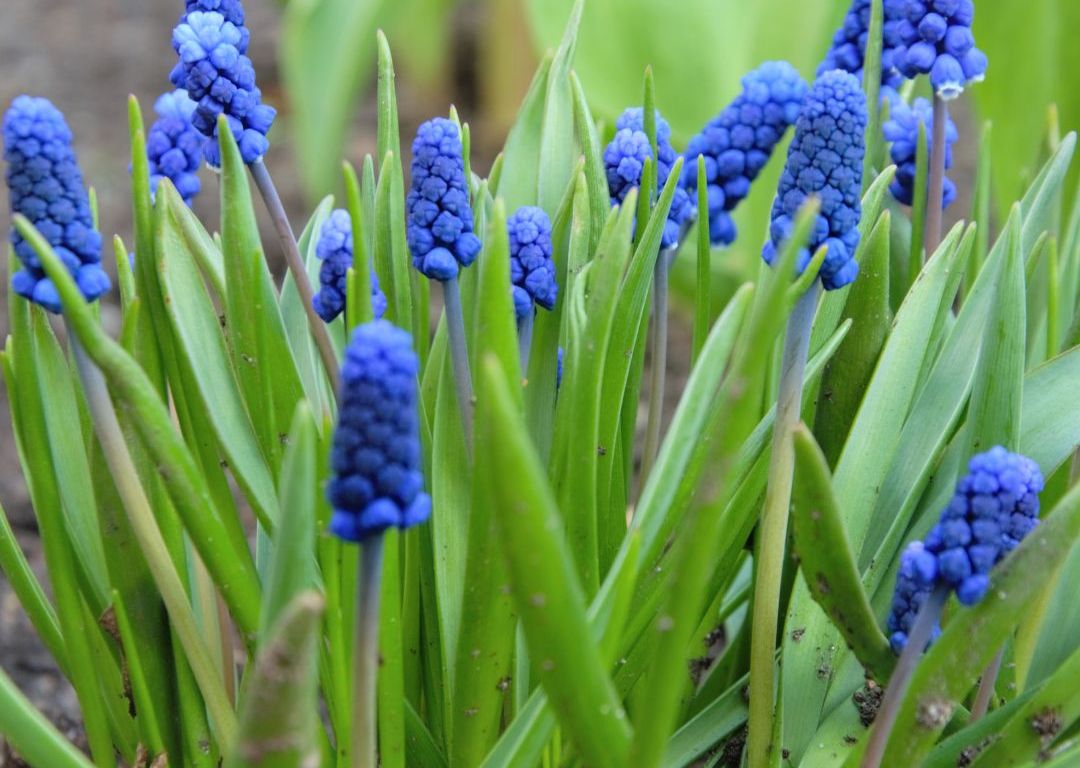
Grape hyacinths are the chameleons of the plant world, fitting into any garden like a glove. I snagged this gem at Aldi for a steal—$1.19! Dive in to discover how you can sprout these lovelies in your own backyard!


How to Grow Grape Hyacinth
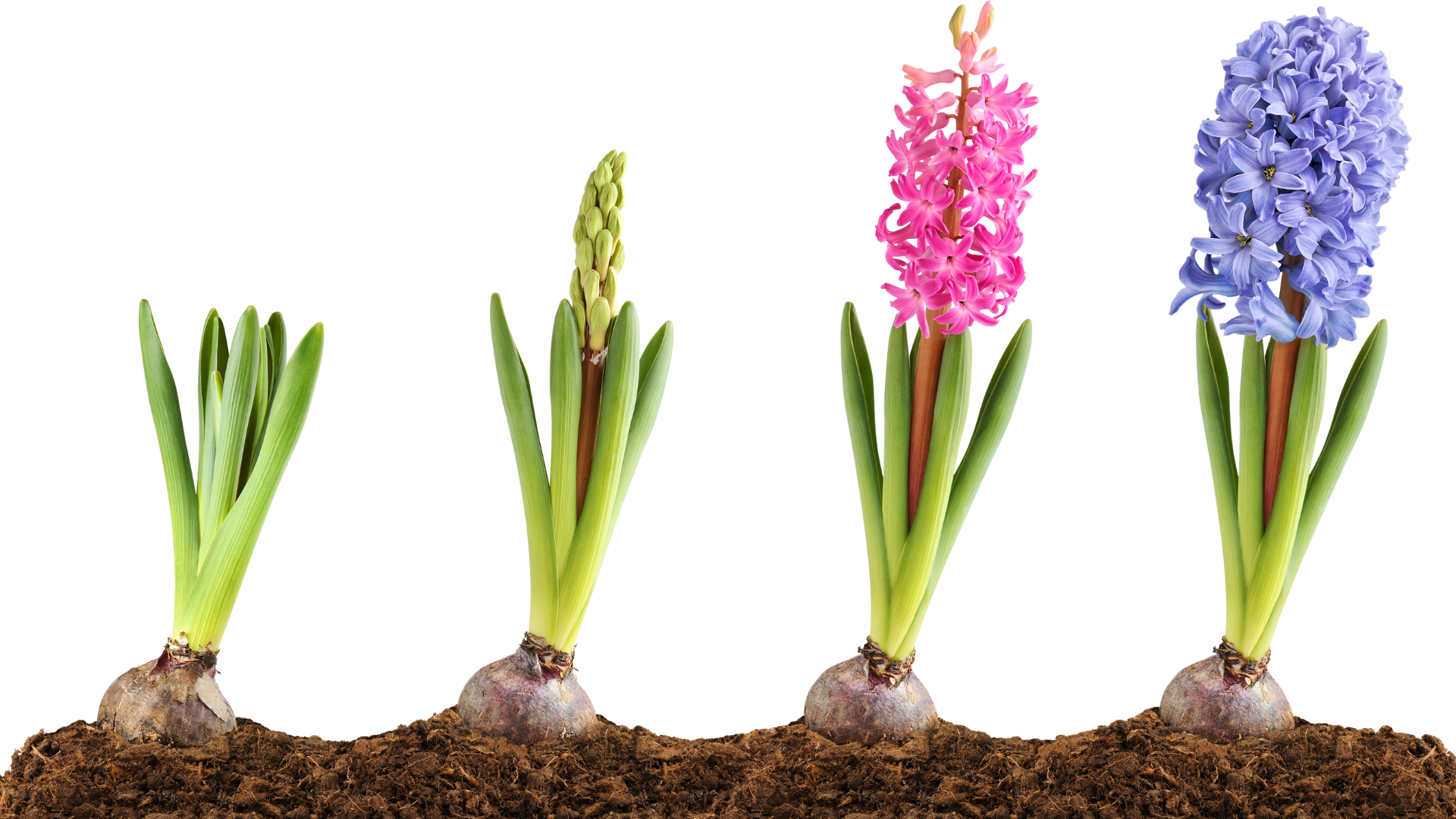
During the dull winter days, the fragrant blossoms of hyacinths add vibrancy and joy to rooms that are typically devoid of flowers.
While hyacinths are commonly forced indoors, they also thrive in gardens and planters in temperate regions.
Grape hyacinth, botanically known as Muscari, is a charming and easy-to-grow bulbous perennial that graces spring gardens with its delightful blue blooms.
Growing grape hyacinths is quite simple. They reward us gardeners with striking floral displays, making them a favorite among novice and experienced garden enthusiasts.
Follow me for additional tips, tricks, and innovative gardening techniques to enhance your greenery.
The Growing Process
To start, the grape hyacinth bulbs should be planted in the fall before the ground freezes.
Choose a spot that receives full sun to partial shade, as grape hyacinths are adaptable but flourish best with plenty of sunlight.
The soil should be well-drained and fertile, so consider amending it with compost or well-rotted manure to improve soil structure and nutrient content.
Plant the bulbs about 3 to 4 inches deep and 2 to 3 inches apart, with the pointy end facing upwards. After planting, water the bulbs thoroughly to settle the soil and encourage root growth.
With a Sprinkle of Tenderness and Care
Caring for grape hyacinth plants is relatively low maintenance. Water the plants regularly during the growing season, especially during dry spells, to keep the soil moist but not waterlogged.
A layer of mulch can help retain soil moisture and suppress weeds. After the flowers have bloomed and the foliage begins to die back, reduce watering.
The leaves should be allowed to die naturally, as they provide energy to the bulb for the following year’s growth.
If desired, you can apply a balanced, slow-release fertilizer in early spring as new growth appears to support flowering. I used All Purpose Plant Food by Miracle-Gro for mine. But any other brand would work.
Grape hyacinths also naturalize well, meaning they can spread and create denser clumps over time, which can be divided and re-planted in early fall if they become too crowded.
Adding a Burst of Dazzling Hues
By following these simple steps, gardeners and newbies can successfully cultivate grape hyacinth plants, adding a splash of vibrant color and charm to their spring garden displays.
With minimal care, these hardy plants will return year after year, multiplying and creating a more stunning display each spring.
Harvesting the Bulbs to Re-plant
Grape hyacinths can be left in the ground indefinitely. However, they usually produce the best display when allowed to rest for a year or two between blooms.
If you decide to dig up your grape hyacinths, the best time is immediately after they bloom.
Carefully dig up the entire bulb, then brush off any excess dirt and let the bulbs dry in a cool, dark place.
Once completely dry, you can store the bulbs in a mesh bag or an open box filled with dry sand or peat moss.
Grape hyacinths are best planted in early fall, about six weeks before the first frost. They prefer well-drained soil in full sun to partial shade.
Since they take several years to reach maturity, it is best to plant them in small clusters rather than as individual bulbs.
The Many Uses of Grape Hyacinth
These versatile plants can be used in various ways, from naturalizing woodland areas to enhancing the vibrancy of rock gardens.
They also serve as beautiful cut flowers, perfect for drying in potpourri or floral arrangements.
Is Graph Hyacinth Edible?
You bet they are! Grape hyacinth bulbs have a mild, onion-like flavor and can be eaten raw or cooked. The leaves and flowers can also be used as garnishes or added to salads.
In addition to being a tasty treat, the grape hyacinth is also known for its medicinal properties. The bulbs contain compounds that have been shown to have antimicrobial and anti-inflammatory effects.
Lastly, the bulbs are a good source of fiber and antioxidants. Therefore, the grape hyacinth is not only a pleasing addition to your garden, but it can also be a healthy addition to your diet.
How to Cook with Grape Hyacinth?
Sprinkle grape hyacinths in salads or as a fancy topping on your dishes. These little beauties also jazz up any floral display.
So, if you’ve got them in your garden, go ahead and pluck a few to bring the outdoors in!
Try this Grape Hyacinth Drink!
Once you have harvested some of the tiny flowers, by carefully snipping the blossoms at the stem, you will want to try this tasty cordial for a refreshing summer drink!
To create this, you will need:
- 1 cup water
- 1 cup sugar
- 3 tablespoons honey
- ½ cup hyacinth blossoms
To make:
- In a heavy-bottomed skillet, bring the water and sugar to a boil.
- Add the blossoms and turn off the heat.
- Cover and allow to infuse for 1 hour.
- Drain the blossoms and compost.
- In an iced tea glass filled with ice, add 3 tablespoons of honey.
- Fill the glass the rest of the way with seltzer or sparkling water.
- Enjoy!
FAQ
Do grape hyacinths come back every year?
Yes, grape hyacinths come back every year. These spring-blooming flowers are ideal for garden beds, rock gardens, containers, and landscape edging for low-maintenance flowers that emerge annually.
Do grape hyacinth bulbs multiply?
Grape hyacinths spread very quickly if left unchecked. Seeds commonly spread these plants, but they can also spread underground.
How long does grape hyacinth live?
Grape hyacinth flowers only live for about three to four weeks, but the plants themselves will continue to come back every year for roughly four years.
Where is the best place to plant grape hyacinth?
Grape hyacinths grow best when planted in full sun and well-drained soil. They can be grown directly in the garden or in containers, and many gardeners opt to grow them in containers to prevent them from spreading.
Is grape hyacinth edible?
You bet they are! Grape hyacinth bulbs have a mild, onion-like flavor and can be eaten raw or cooked. The leaves and flowers can also be used as garnishes or added to salads.
Discover more from Holistic Lifestyle Blog
Subscribe to get the latest posts sent to your email.
 Holistic Lifestyle Blog