
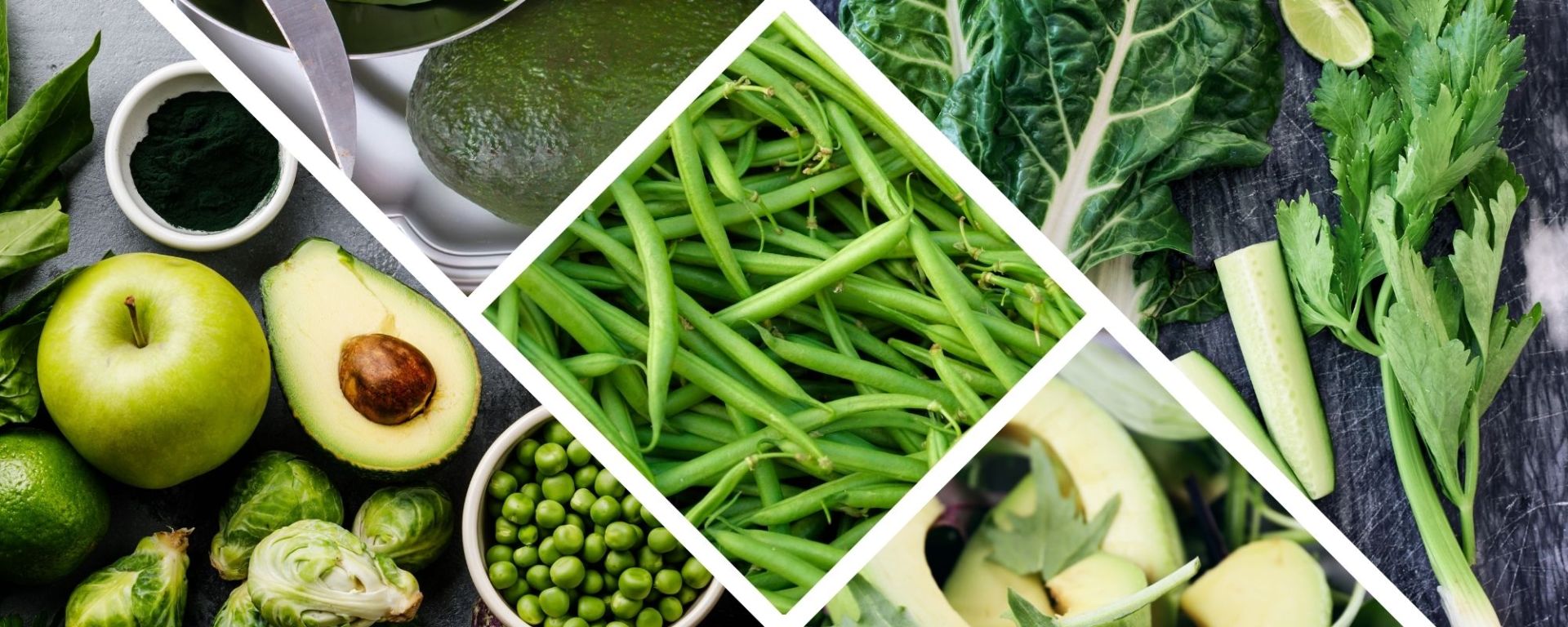
Plant-based diets have been gaining popularity in recent years for various reasons, with health and environmental concerns at the forefront. Many people are choosing to adopt plant-based diets due to the numerous health benefits associated with consuming more fruits, vegetables, whole grains, nuts, seeds, and legumes.
Plant-based diets are typically high in fiber, vitamins, minerals, and antioxidants, which can help reduce the risk of chronic diseases such as heart disease, diabetes, and certain types of cancer. In addition to the health benefits, plant-based diets are also gaining traction due to their positive impact on the environment. Livestock farming has been linked to deforestation, water pollution, greenhouse gas emissions, and other environmental issues.
Environmental Impacts
By reducing or eliminating animal products from their diets, individuals can help lower their carbon footprint and decrease the demand for resources like water and land. This shift towards plant-based eating is seen as a more sustainable way to feed a growing global population while reducing environmental degradation.
As more people become aware of the health benefits and environmental implications of their food choices, the popularity of plant-based diets continues to rise. Whether driven by concerns for personal health, animal welfare, or the planet, choosing to incorporate more plant-based foods into one’s diet is a trend that shows no sign of slowing down.
Five Fantastic Ways to Sprinkle More Plant-Power!
If you’re looking to incorporate more plant-based options into your meals but don’t know where to start, I’ve got you covered. Here are five easy ways to add more plant-based goodness to your diet:
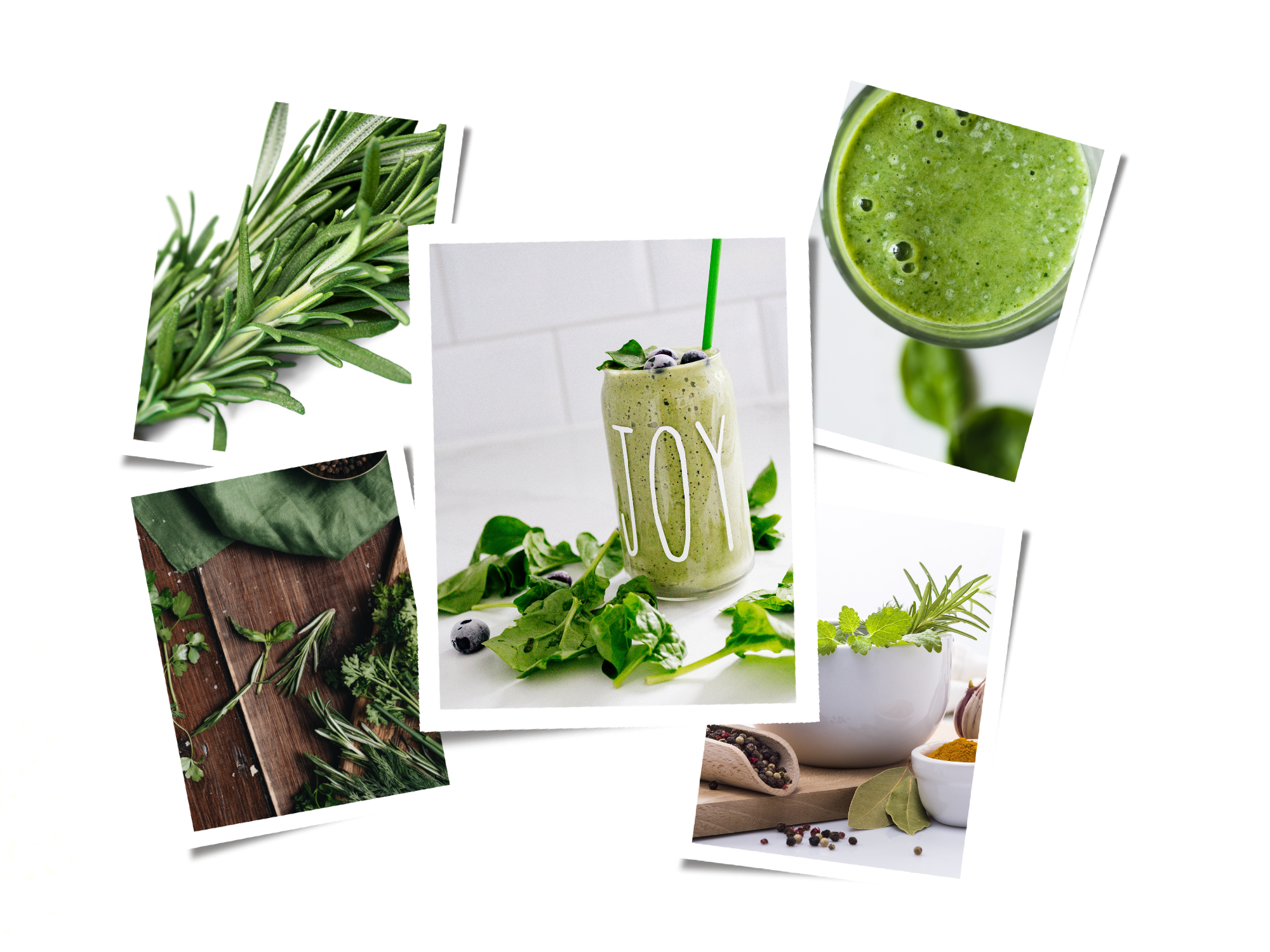
- Start your day with a green smoothie packed with leafy greens, fruits, and plant-based protein like chia seeds or hemp hearts.
- Swap out meat for plant-based alternatives like tofu, tempeh, or seitan in your favorite recipes such as stir-fries, tacos, or pasta dishes.
- Experiment with different grains, such as quinoa, farro, or bulgur, as a base for your meals instead of meat.
- Snack on nuts, seeds, and dried fruits for a healthy and satisfying pick-me-up throughout the day.
- Get creative with your salads by adding a variety of vegetables, legumes, and grains for a nutritious and filling meal.

Start Small and Gradually:
- Don’t try to overhaul your diet overnight. Begin by introducing one or two plant-based meals per week.
- Experiment with different plant-based proteins like tofu, lentils, chickpeas, and beans. These can be incorporated into familiar dishes like stir-fries, tacos, and pasta sauces.
Focus on Whole Foods:
- Choose whole grains over refined grains like brown rice, quinoa, and whole-wheat bread.
- Load up on colorful fruits and vegetables. Aim for variety and explore different types you haven’t tried before.
- Include healthy fats from sources like nuts, seeds, and avocados.
Get Creative in the Kitchen:
- Explore plant-based recipes online or in cookbooks. There are countless delicious and diverse options available.
- Look for inspiration from different cuisines like Mediterranean, Asian, and Indian, which often feature plant-based dishes.
- Get creative with spices and herbs to add flavor to your meals.
Make it Easy and Convenient:
- Stock your pantry with staples like canned beans, lentils, whole grains, and frozen vegetables.
- Utilize pre-cut vegetables and frozen fruits to save time on chopping and preparation.
- Keep healthy snacks like nuts, seeds, and fruits readily available to avoid unhealthy choices when you’re hungry.
Additional Resources:
- Consider checking out websites like Forks Over Knives: https://www.forksoverknives.com/ or Physicians Committee for Responsible Medicine: https://www.pcrm.org/good-nutrition/plant-based-diets for trustworthy information and recipes.
Remember, consistency is key. You can successfully transition to a more plant-based way of eating by gradually incorporating more plant-based options and finding healthy alternatives you enjoy.


Discover more from Ms. Curley Blogs
Subscribe to get the latest posts sent to your email.
 Ms. Curley Blogs