
Watering Tips for Thriving Plants
Watering Wisdom
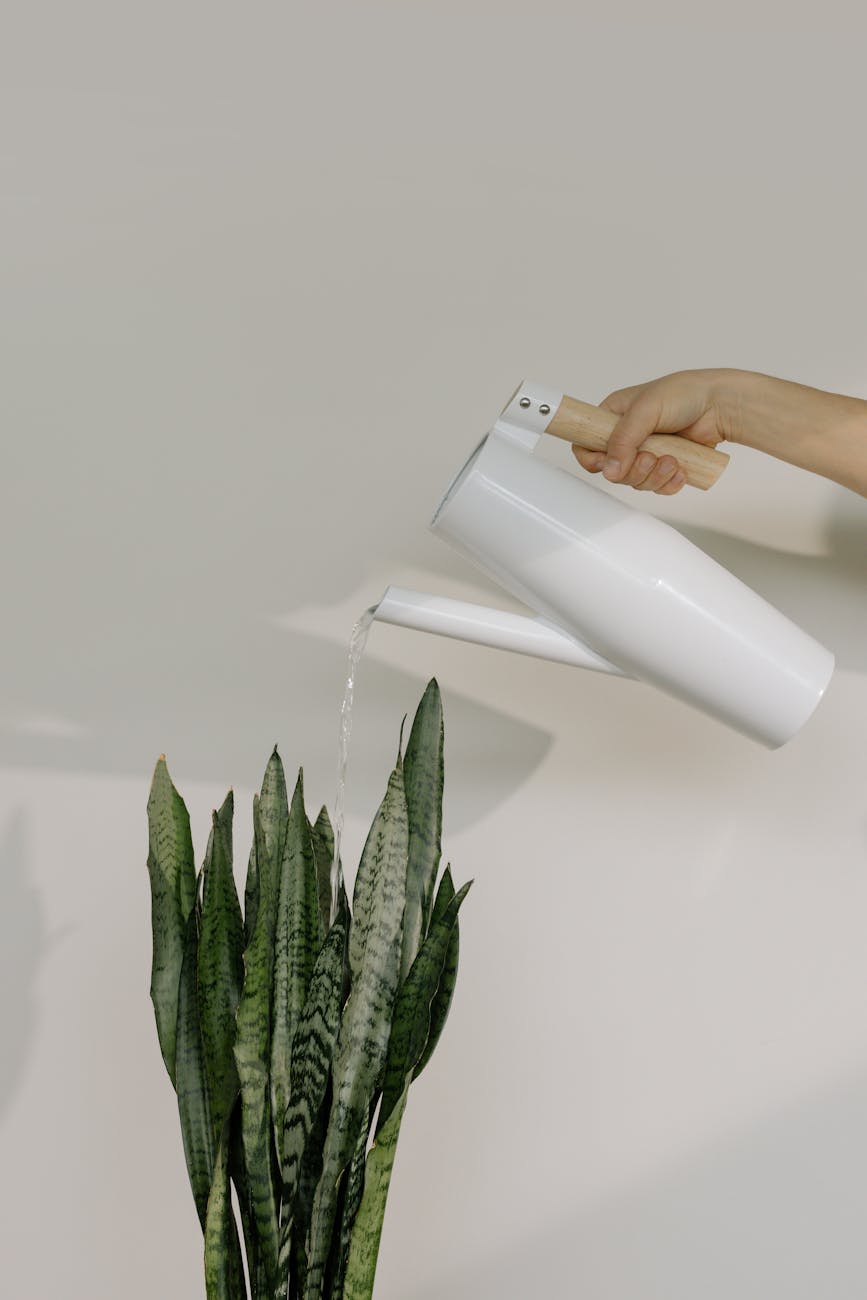
One of the most common mistakes in houseplant care is improper watering. Overwatering can lead to root rot, while underwatering can cause wilting and stunted growth. Here’s how to get it right:
- Check the soil: Before watering, stick your finger about an inch into the soil. If it feels dry, it’s time to water.
- Water thoroughly: When you water, do so until water drains out of the drainage holes. This ensures that the entire root ball is moistened.
- Empty the saucer: Don’t let your plant sit in standing water, as this can lead to root rot. Empty the saucer beneath the pot after watering.
- Adjust for the season: Plants typically need less water in the winter when they are not actively growing.
- Consider the plant type: Different plants have different watering needs. Succulents and cacti, for example, need very little water, while ferns prefer consistently moist soil.
Let There Be Light (But Not Too Much!)
Light is crucial for photosynthesis, the process by which plants convert light energy into food. Too much sun can turn those leafy greens into crispy critters. Here’s how to find the right balance:
- Know your light directions: South-facing windows generally provide the most light, while north-facing windows provide the least. East and west-facing windows offer moderate light.
- Observe your plants: If your plant’s leaves are pale or yellowing, it may be getting too much light. If it’s leggy (long and spindly) with small leaves, it may not be getting enough.
- Use sheer curtains: If you have a south-facing window, sheer curtains can help to filter the light and prevent scorching.
- Rotate your plants: Rotate your plants regularly to ensure that all sides get even light exposure.
| Soil Selection: The Foundation of Healthy Plants |
The right soil provides essential nutrients and drainage for your houseplants. Avoid using garden soil, as it can be too heavy and may contain pests or diseases. Here’s what to look for:
- Potting mix: Use a high-quality potting mix specifically formulated for houseplants. These mixes are typically lightweight and well-draining.
- Amendments: Consider adding amendments like perlite or vermiculite to improve drainage and aeration.
- Re-potting: Repot your plants every 1-2 years to refresh the soil and provide room for growth. Choose a pot that is only slightly larger than the previous one.

Next Steps
Caring for houseplants is a rewarding hobby that can bring beauty and tranquility to your home. By following these simple tips, you can keep your indoor plants happy and healthy for years to come. Remember to observe your plants regularly and adjust your care as needed.
Happy Growing!

Discover more from Holistic Lifestyle Blog
Subscribe to get the latest posts sent to your email.
 Holistic Lifestyle Blog