
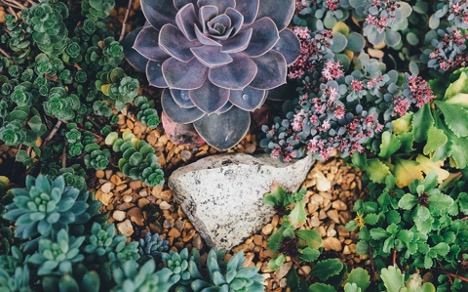
Succulent plants are known for their water-storing abilities, ideal for arid and dry environments. They have thick, fleshy leaves and stems that allow them to retain water for long periods. Succulents come in various shapes, sizes, and colors and are popular among gardeners and plant enthusiasts. Some common succulents include cacti, aloe vera, jade plant, and echeveria. These low-maintenance plants are easy to care for, making them an excellent option for beginners. With proper care, succulents can thrive indoors or outdoors, adding a touch of green to any space.
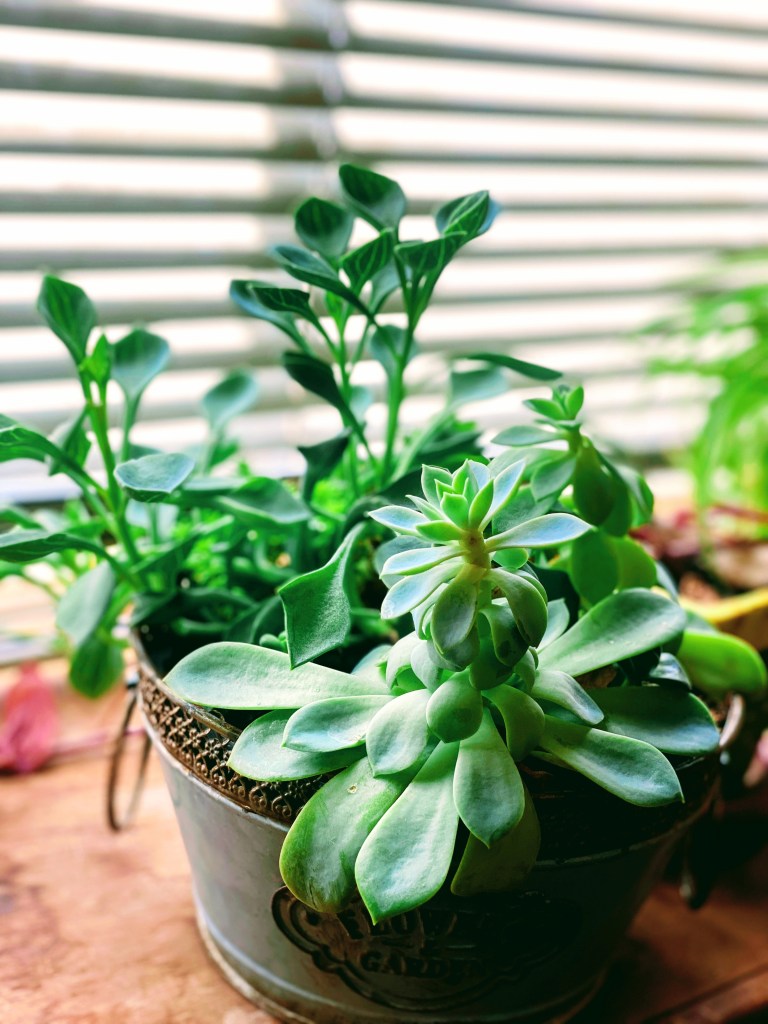
1. Make Sure Your Succulents Get Enough Light.
Succulents love sunlight and need about six hours of sun per day, depending on the type of succulent. Though most varieties of succulents will not survive with full shade, they also don’t need to be detonated with sizzling rays all day, so a thin curtain can help ensure they get some shade, too. Newly planted succulents can scorch in direct sunlight, so you may need to gradually introduce them to total sun exposure while providing shadow and low light with a thin curtain.
2. Water According to the Season.
Like humans, succulents need more energy when they’re in a period of growth. During the spring and Summer, the plants thrive and drink much more water than when resting in the fall and winter. Test the soil with a finger—grab your watering can when the top 1.25 inches are dry. Over-watering can kill your succulent, so let the soil dry between waterings.
3. Rotate Succulents Frequently.
While most succulents relish direct sun, if yours sits in the same spot day after day, only one side will likely get enough light. Rotate the plant often. Succulents will lean towards the sun, so turning them will help them stand up straight. (Leaning may also signify that they need to be in a sunnier spot.)
4. Choose a Container with Drainage.
Succulents don’t like to sit in waterlogged soil, so drainage is essential to prevent rot. Your container should have a drainage hole to allow excess water to escape. Terra-cotta pots are great for beginners, but as you grow more comfortable with plant care, consider upgrading to terrariums or clear glass or plastic containers.
5. Plant Succulents in the Right Soil.
Once you’ve selected the proper containers, it’s time to fill them with the right potting mix that will ensure your plants get the nutrients they need. Succulents need well-drained soil, so regular potting soil—or dirt from your yard—won’t do. Generally, the ground that drains best is porous and sandy. You can pick up a store-bought succulent soil—sometimes called cactus soil—or DIY your own mix by combining potting soil with sand, pumice, or perlite. Remember, succulent roots are very fragile, so be gentle when repotting.
6. Water the Soil Directly.
Soak the soil and mix until water runs out of the drainage holes when you water your succulents. Don’t use a spray bottle to water your succulents—misting can cause weak roots and moldy leaves. (I am guilty at this.) You can also place pots in a pan of water and allow the water to absorb through the drainage hole. Once the top of the soil is moist, remove it from the pan.
7. Keep Succulents Clean.
Like any part of your home, indoor plants will gradually pick up dust on their surface, which can inhibit their growth. Wipe off the leaves and spines gently with a damp cloth (you can use a soft toothbrush to get at hard-to-reach places).
8. Fertilize Succulents in the Summer.
Succulents don’t need much fertilizer, but you can give them light feedings during the spring and summer growing seasons. Be careful not to over fertilize—this can cause your succulent to grow too quickly and become brittle. As a rule of thumb, check the suggested amount on your fertilizer’s packaging and use half for succulents.
Discover a world of possibilities.
Discover more from Holistic Lifestyle Blog
Subscribe to get the latest posts sent to your email.
 Holistic Lifestyle Blog